The Rise of Drogheda United: A Glimpse into the 1990s
As we look back at the rich mix of Drogheda United's history, the 1990s stand out as a major period for the club. After its formation in 1974, Drogheda United faced numerous challenges, including financial instability and relegation battles, but the 1990s heralded a new dawn that would shape the club’s identity and ambitions.
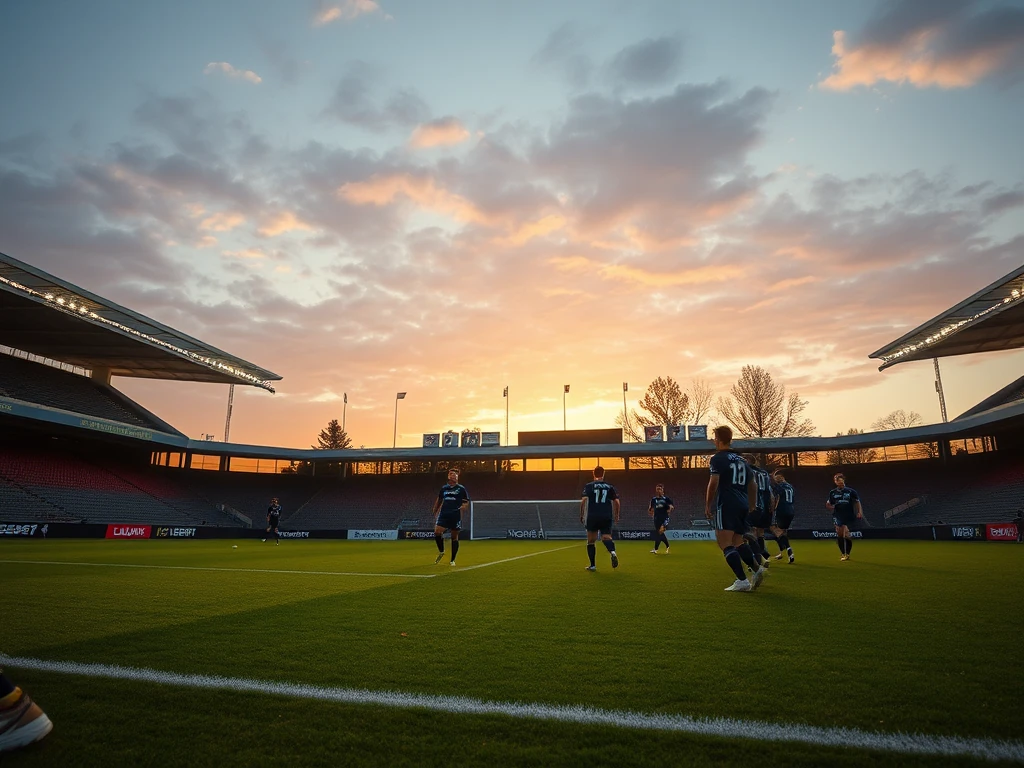
In 1992, Drogheda United made a significant move by acquiring the legendary Sullivan & Lambe Park as its home ground, a decision that would not only provide a sense of stability but also foster a deeper connection with the local community. The investment in the stadium reflected the club's aspirations to compete at higher levels, and it set the stage for a series of achievements that would come to define the decade.
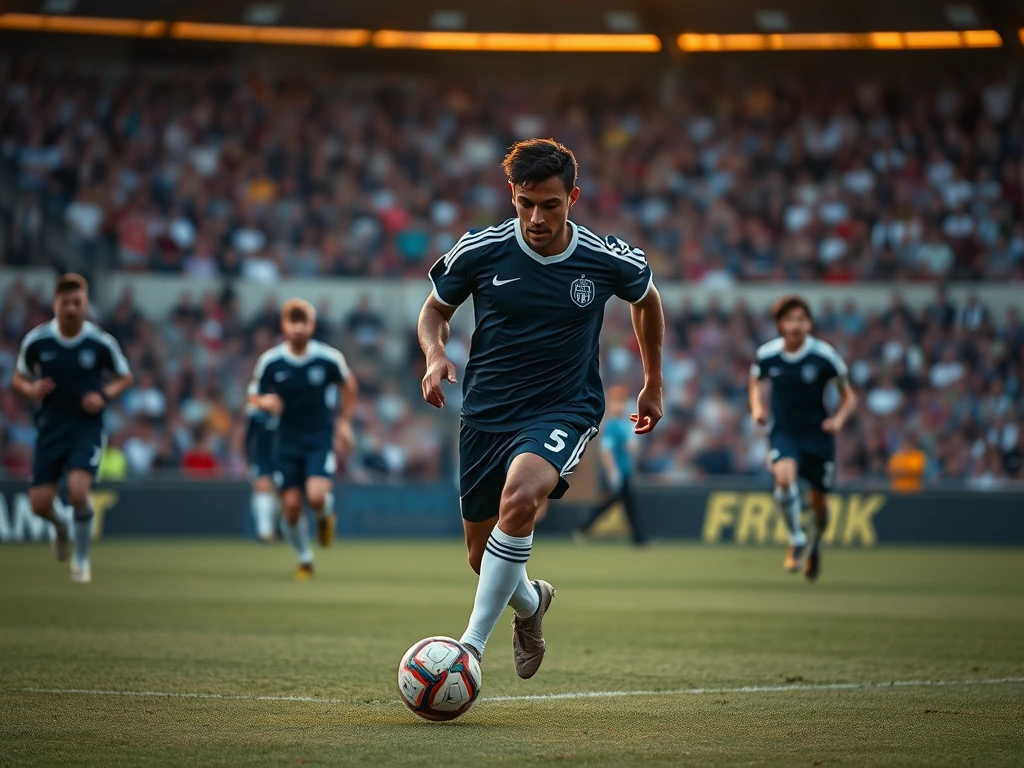
Under the management of Eamonn Collins, Drogheda United began to assert itself in the League of Ireland. The club's youth system also began to bear fruit during this time, producing talented players who would go on to make significant contributions to the team. Names like Gary O'Neill and Brian McCarthy emerged as local heroes, capturing the hearts of fans and giving the Drogs a fighting chance in the league.
One of the most notable moments came in 1996 when Drogheda United finished the season in a commendable mid-table position, a significant improvement from the relegation battles of the early 90s. This accomplishment was not only a statistic; it was a sign of the hard work and dedication of players and staff alike, igniting hope among supporters for a brighter future.
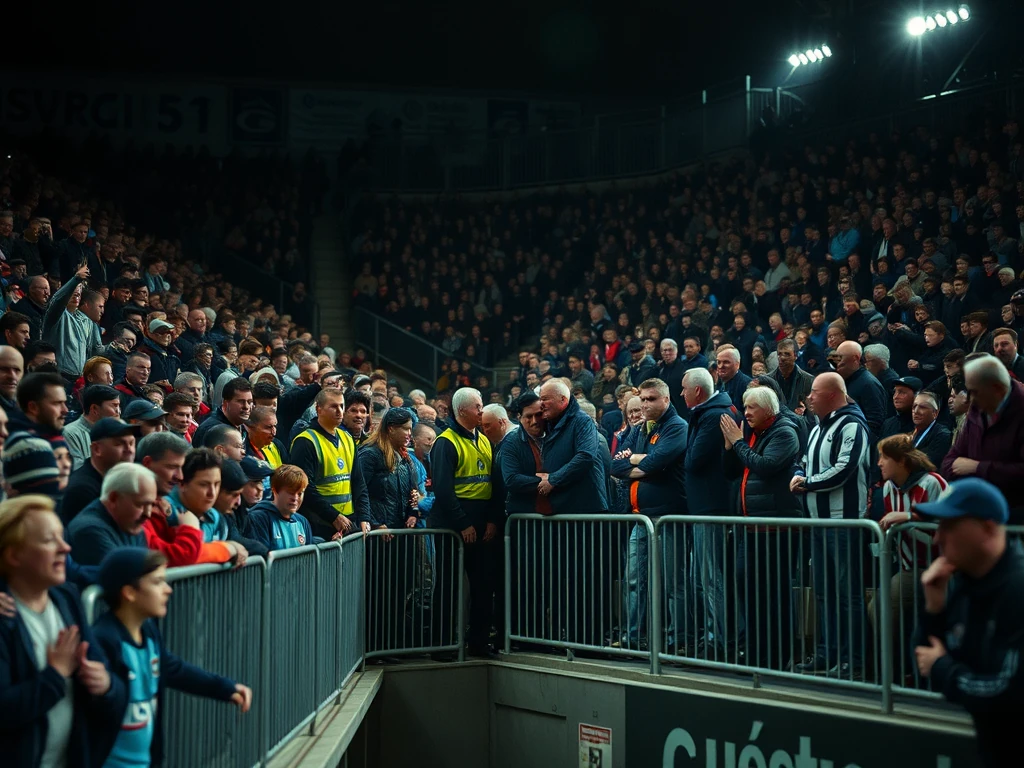
The club's rivalry with Dundalk also intensified during the 90s, with matches between the two sides becoming increasingly passionate and fiercely contested. These derby days not only drew large crowds to Sullivan & Lambe Park but also reinforced the club's place in the local footballing landscape. The atmosphere during these matches was electric, and the shared experiences of victory and defeat further strengthened the bond between the team and its supporters.
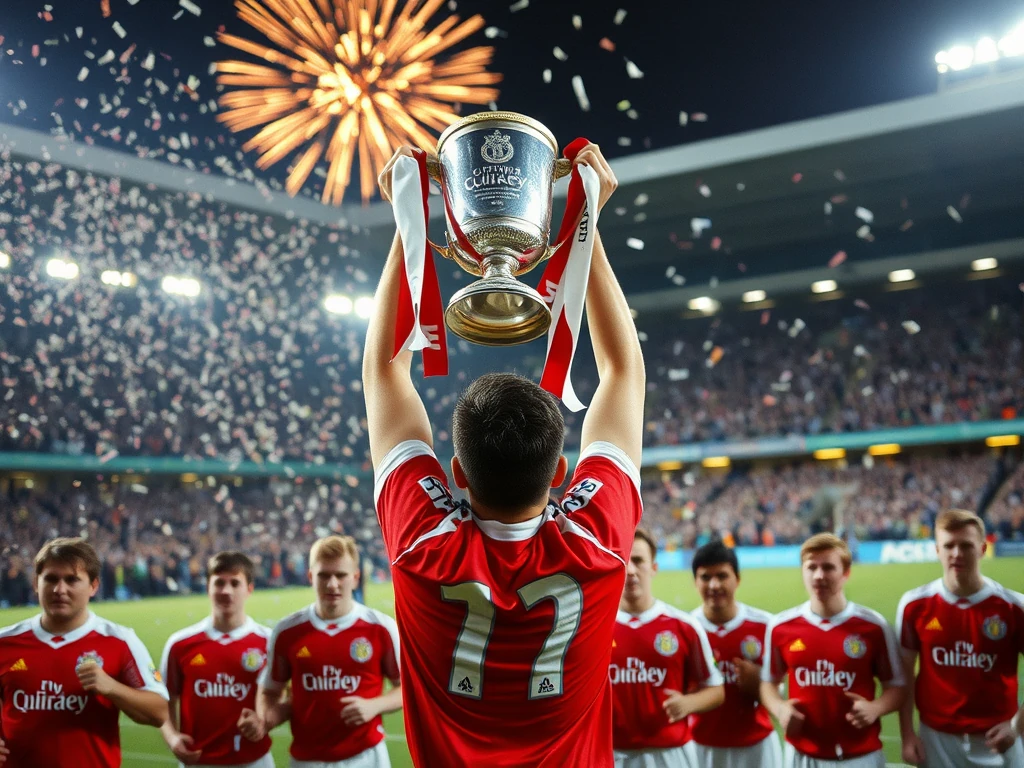
By the late 1990s, Drogheda United was not only a team fighting for survival; it was a club on the verge of something greater. The groundwork laid during this decade would lead to a successful turn of the millennium, ultimately culminating in the historic FAI Cup victory in 2005. Looking back, it is clear that the resilience and evolution of Drogheda United during the 1990s were key in shaping the club’s identity, fostering a sense of belonging, and establishing a legacy that would resonate through the years.
Today, as the club continues to handle the complexities of modern football, the lessons learned from that major decade remain relevant. The spirit of the Drogs, built on a foundation of determination and community support, continues to inspire both players and fans alike as they strive for new heights in the League of Ireland.