 Drogheda United Hub
As Drogheda United navigates the challenging waters of the League of Ireland Premier, recent form has ignited discussions among fans and analysts alike. With a mix of promising play and frustrating lapses, the tactical setup employed by head coach Kevin Doherty appears to require some fine-tuning to harness the squad's full capabilities.
Current Tactical Landscape
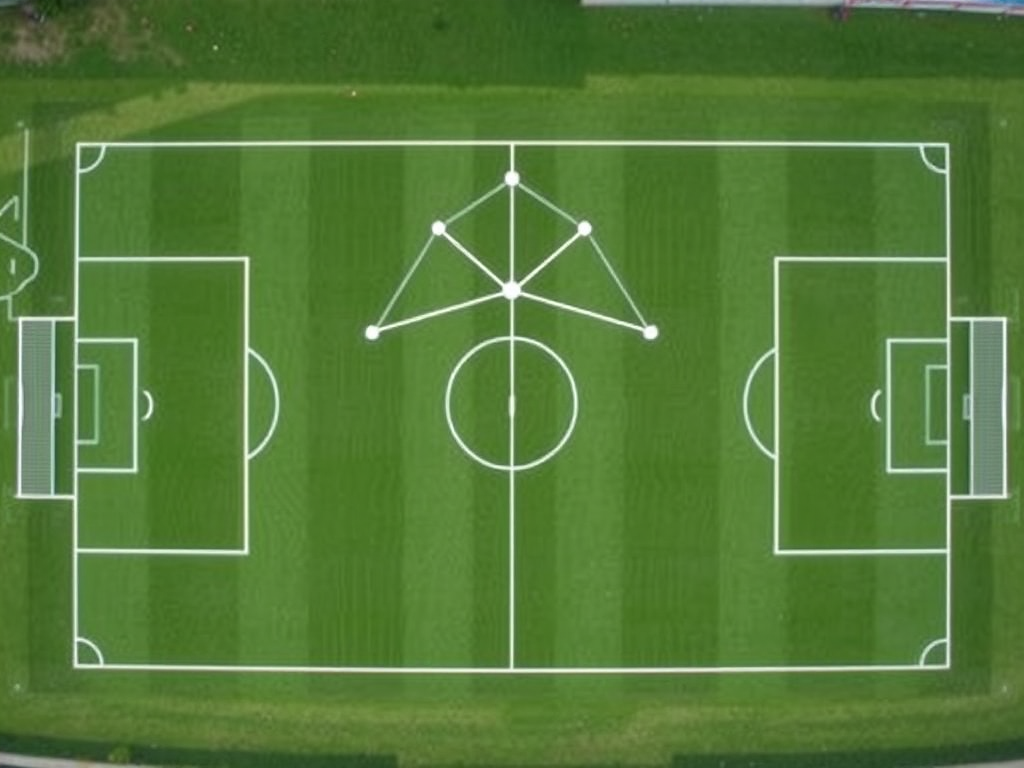
Drogheda's tactical approach has largely revolved around a 4-3-3 formation, which has allowed for fluid attacking movements and the ability to press high up the pitch. The forward line, spearheaded by the likes of B. Bosakani, has often exploited spaces left by opposition defences. However, the reliance on this formation has sometimes left the midfield exposed, particularly against teams that excel in counter-attacking.
Midfield Dynamics
The three-man midfield, while dynamic, has shown signs of being overrun in critical moments. Midfielders such as R. Brennan and S. Brady are pivotal for ball retention and build-up play, but they often find themselves outnumbered when the opposition transitions quickly. A potential tweak could involve shifting to a more compact 4-2-3-1 formation, which would allow for greater defensive solidity while still providing the creativity necessary to unlock opposing defences.
Defensive Adjustments
At the back, Drogheda’s defensive line has occasionally appeared vulnerable to pacey wingers and quick transitions. The inclusion of a more disciplined defensive midfielder, perhaps in the mold of D. Kareem, could help shield the back four and provide additional cover during counter-attacks. This change could free up R. Brennan to push further forward, contributing more to the attack while minimizing the risk of being caught out of position.
Attacking Strategy
In the attacking third, the Drogs have shown they can be dangerous, but there’s a need for more synergy between the forwards and midfield. Encouraging players to interlink more could lead to greater goal-scoring opportunities. For instance, utilizing the width provided by wingers can stretch the opposition's defence, allowing Bosakani and fellow forwards to exploit the spaces between defenders. Additionally, encouraging overlapping runs from full-backs could provide the necessary width to create mismatches against compact defences.
Conclusion
Ultimately, Drogheda United's recent form is a testament to the potential within the squad. By implementing slight tweaks to their tactical setup—shifting to a 4-2-3-1 formation for greater midfield control, bolstering defensive cover, and ensuring better link-up play in attack—the Drogs could find the consistency they need as they push for a stronger finish in the league. The upcoming fixtures will be critical as the team tests these adjustments and seeks to build momentum heading into the latter stages of the season.