Analyzing Drogheda United's Formation: Key Tweaks for Improvement
As Drogheda United navigates the competitive landscape of the League of Ireland Premier Division, fans have observed a mix of promising performances and frustrating inconsistencies. While the Drogs have showcased their potential this season, it's evident that tactical refinements could elevate their game. Here, we delve into the current formation and suggest some adjustments that could help the team solidify its standing.
Current Formation and Performance Trends
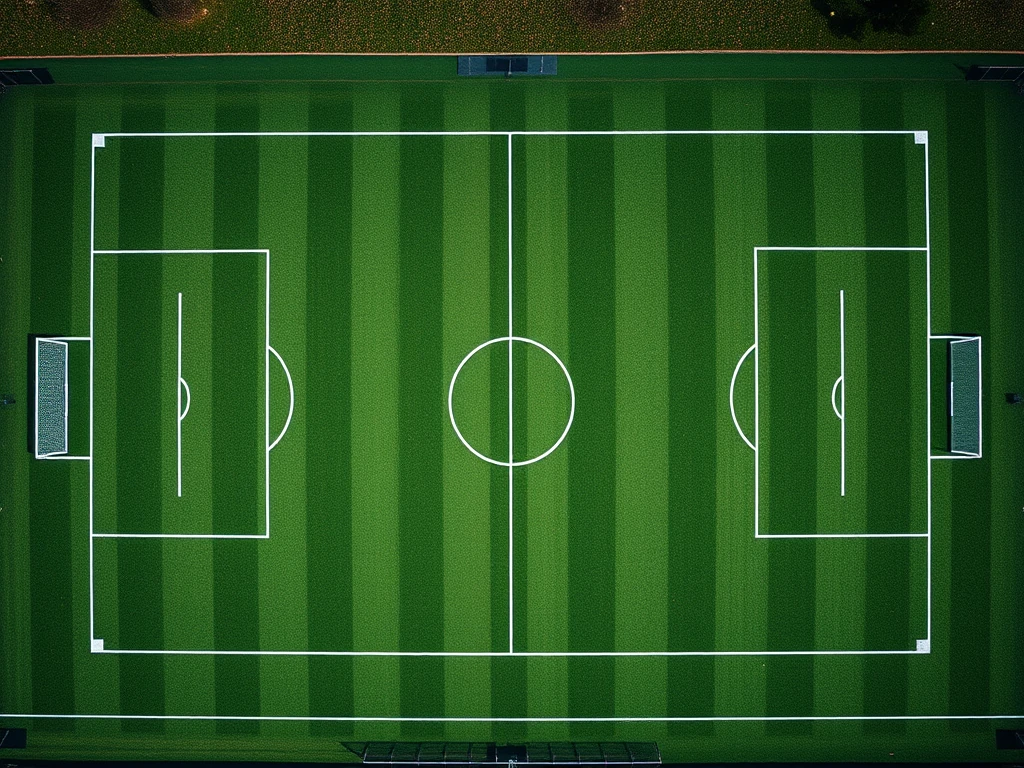
Drogheda has predominantly employed a 4-2-3-1 formation, which provides a solid defensive base while allowing for creativity in attack. However, recent matches have highlighted some vulnerabilities in this setup, particularly in the midfield transition and defensive coverage during counter-attacks. Opponents have exploited these weaknesses, leading to goals that could have been avoided with a more cohesive structure.
Midfield Dynamics
The two-man pivot in midfield is crucial for both defensive stability and initiating attacks. However, the current pairing has struggled to maintain possession under pressure, leading to turnovers that can leave the defense exposed. A possible tweak would be to deploy a more dynamic midfield trio, perhaps introducing a more advanced central midfielder who could link play between defense and attack, allowing the two deeper midfielders to focus on breaking up opposition plays.
Widening the Play
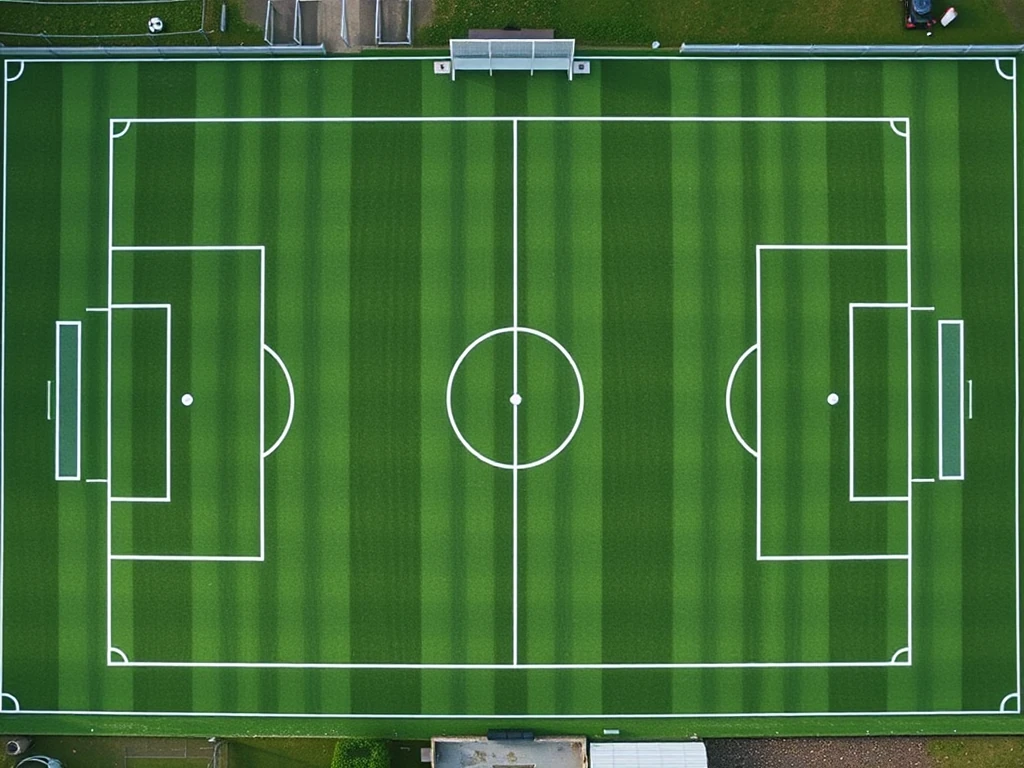
In the attacking phase, the Drogs could benefit from stretching the pitch more effectively. While the wide players have shown moments of brilliance, their positioning often narrows Drogheda's attacking options. Encouraging wingers to hug the touchline could open up space for overlapping full-backs and create more avenues for penetrative passes. This adjustment could also disrupt opposing defenses, forcing them to stretch and potentially creating mismatches.
Defensive Cohesion
Defensively, Drogheda has occasionally looked vulnerable, particularly during set pieces and quick transitions. To address this, the introduction of a more structured defensive line could be beneficial. Implementing a slightly deeper defensive line may alleviate pressure on the back four, allowing them to better manage counter-attacks and maintain shape when possession is lost. This approach could also help the team to recover and regroup more effectively after losing the ball.
Tactical Flexibility
Another suggestion would be to incorporate a degree of tactical flexibility during matches. For example, if the team finds itself trailing, shifting to a more aggressive 4-3-3 formation could apply immediate pressure on the opponent's defense. This would allow for an additional striker and greater attacking presence, providing the team with the option to adapt dynamically to game situations and opponents' strategies.
Conclusion
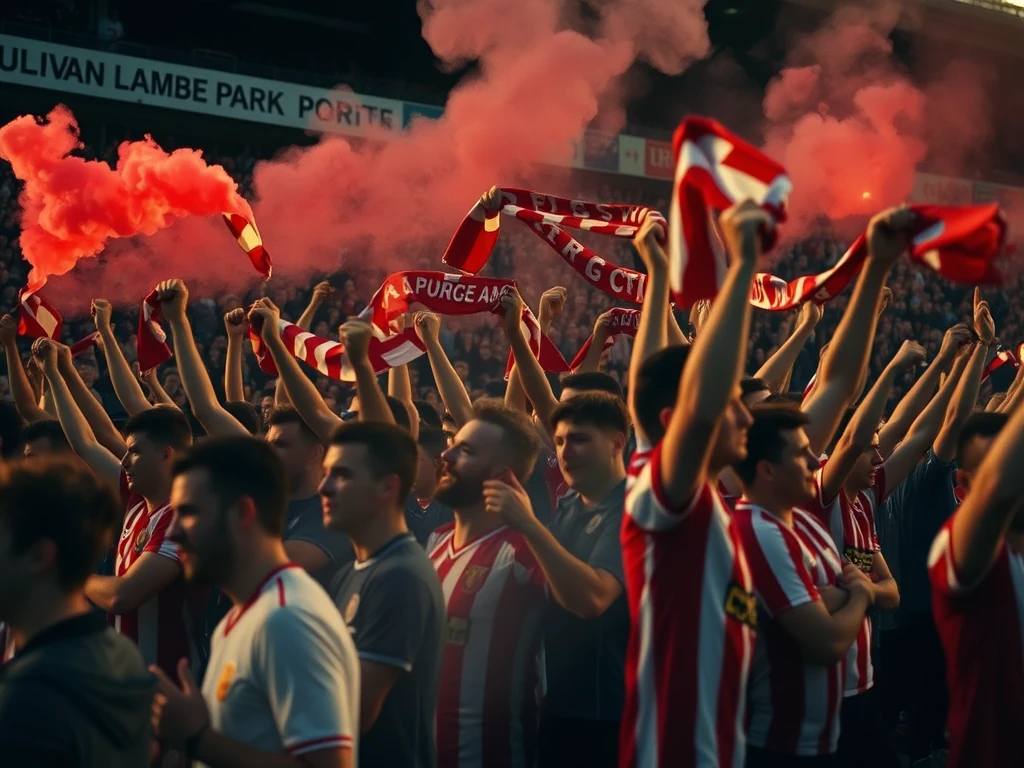
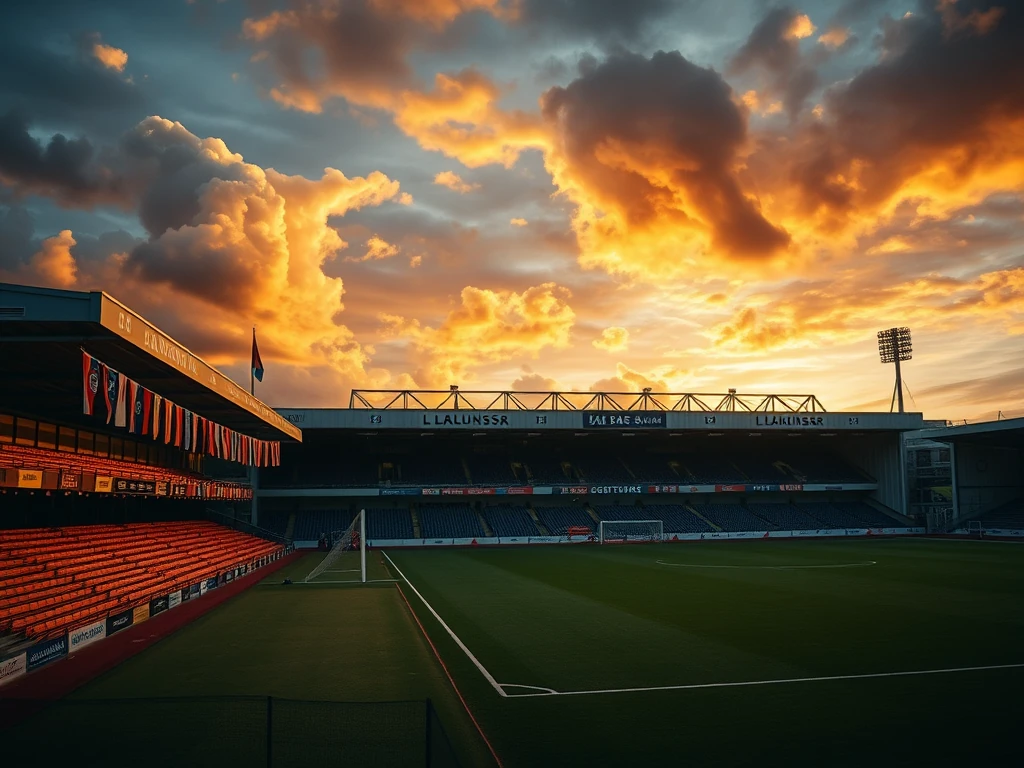
In conclusion, while Drogheda United has demonstrated resilience and skill, tactical adjustments could unlock greater potential within the squad. By refining their midfield dynamics, widening their attacking play, enhancing defensive cohesion, and embracing tactical flexibility, the Drogs can solidify their place in the Premier Division and turn promising performances into consistent results. As always, the support from the fans at Sullivan & Lambe Park will be crucial as the team seeks to implement these changes and strive for success this season.